



Public Domain Day 2025: A Goldmine for Producers and Artists
As a 30-year hip-hop enthusiast and veteran of the music industry—someone who’s lived through golden eras and seismic cultural shifts—I’m here to tell you that January 1, 2025, is a date that should already be circled in red on your calendar. Why? Because it’s Public Domain Day, a moment when a treasure trove of iconic works enters the public domain, making them ripe for creative reinterpretation and commercial use without the burden of licensing fees. For producers, songwriters, and artists, this is a massive opportunity to tap into cultural nostalgia while crafting something entirely new.
And let’s face it: the greats like Pharrell and Timbaland didn’t just rise to the top by copying trends—they created them. Public Domain Day gives producers today the kind of creative springboard that could help you define the next chapter of music. Let’s dig into why this matters and how you can use this moment to your advantage.
What’s Coming to the Public Domain in 2025?
This year, some particularly iconic works from 1929 will become free to use, including:
- “Singin’ in the Rain” (lyrics by Arthur Freed, music by Nacio Herb Brown): One of the most recognizable songs in the history of American music, synonymous with joy and cinematic magic.
- “Ain’t Misbehavin’” (lyrics by Andy Paul Razaf, music by Fats Waller & Harry Brooks): A jazz standard that’s been covered by everyone from Louis Armstrong to Billie Holiday, this track is dripping with personality and swing.
- “An American in Paris” (George Gershwin): A lush, sweeping orchestral composition that practically begs for reinterpretation in genres ranging from hip-hop to EDM.
- “Tiptoe Through The Tulips” (Joseph Burke & Alexander Dubin): The 1929 classic “Tiptoe Through the Tulips,” written by Al Dubin and Joe Burke, is a whimsical and romantic tune that became a hallmark of the Jazz Age with its playful melody and charming lyrics. The 1968 version sung by Tiny Tim remains under copywrite law.
Why Public Domain Day Matters to Producers
When you hear names like Gershwin, Waller, or Freed, you’re not just thinking about music—you’re tapping into a legacy of storytelling, emotion, and cultural impact. These aren’t just songs; they’re foundations. And in a world where sampling is king, gaining free access to such foundational works is nothing short of revolutionary.
Imagine flipping a classic like “Ain’t Misbehavin’” into a gritty, soulful hip-hop track—maybe layering a Fats Waller piano riff over trap drums, much like how Kanye West reimagined Nina Simone on “Blood on the Leaves.” Or take “Singin’ in the Rain” and turn it into a euphoric dancehall anthem, blending timeless melodies with modern rhythms. Gershwin’s “An American in Paris”? That’s a full cinematic experience waiting to happen, perfect for film scores or sprawling concept albums.
The Nostalgia Factor: A Powerful Tool
Let’s talk strategy. Nostalgia sells. It’s the reason we’re seeing a resurgence of early 2000s fashion and why retro-sounding records consistently chart high. But nostalgia doesn’t mean simply rehashing the past—it’s about invoking the emotional resonance of a bygone era while making it relevant to today.
When you sample or rework something iconic, you’re not just making music; you’re telling a story that bridges generations. Think of Pharrell’s knack for injecting timeless funk into his productions or how Timbaland can take an otherworldly sound and ground it in visceral rhythm. This is the kind of potential you’re looking at with works entering the public domain.
The Business Angle: Free, but Priceless
Beyond the creative freedom, the economic value here is staggering. Licensing fees are one of the biggest hurdles for producers wanting to sample classic works. Public domain status eliminates that roadblock, making these pieces more accessible than ever. You’re free to create without the fear of lawsuits, delays, or hefty royalty splits.
Moreover, public domain works are often culturally ingrained, which means they come preloaded with recognition and value. You don’t have to introduce an audience to “Singin’ in the Rain” or “Ain’t Misbehavin’”; they already know it. Your job is to show them something fresh and unexpected.
Tips for Making the Most of Public Domain Day 2025
- Do Your Research: Study the original compositions and lyrics to understand their structure, themes, and emotional weight. Knowing what made these works iconic will help you flip them in meaningful ways.
- Be Bold: Don’t just sample—reinterpret. Pharrell didn’t just replicate funk; he distilled its essence and fused it with pop sensibilities. Timbaland didn’t just use unconventional sounds; he turned them into mainstream hits. Channel that fearlessness.
- Think Across Mediums: Public domain works aren’t just for music. They’re also great for branding, sync licensing, or even stage productions. Picture scoring a short film or ad campaign with Gershwin’s “An American in Paris” reimagined through your lens.
- Collaborate: Work with vocalists, instrumentalists, or other producers to elevate your reinterpretations. Imagine pairing a jazz vocalist with a trap beat—or blending orchestral elements with gritty drill drums.
- Be Ready to Drop: The moment January 1, 2025, hits, these works are fair game. The sooner you release, the better your chances of standing out in what will undoubtedly be a rush of public domain-inspired creations.
A Call to Producers: Create the Future from the Past
In the words of Pharrell, “Don’t be afraid of your uniqueness.” Public Domain Day isn’t just an opportunity to play with classics; it’s a chance to stand out, to channel your influences, and to remind the world why music is both timeless and transformative. Whether you’re a beatmaker flipping jazz standards or a composer crafting a symphony for the TikTok generation, 2025 is yours for the taking.
So, as January 1 rolls around, don’t just sit on the sidelines. Dive into the past, take what’s freely given, and create something the world hasn’t heard yet. History is now in your hands—what will you make of it?


About the author

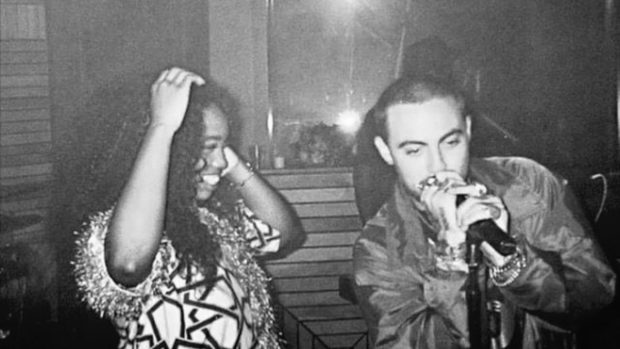
Mac Miller’s Posthumous Album Balloonerism to Feature SZA Collaboration: 1 Week Away
The legacy of Mac Miller continues to shine brighter than ever. As fans prepare for the release of his second posthumous album, Balloonerism, set to drop on January 17, 2025, the excitement has reached a fever pitch with the recent unveiling of its official tracklist. Among the many highlights is a standout collaboration on track two: a feature from none other than chart-topping artist and Grammy winner, SZA. This news comes as a bittersweet celebration, as the release date falls just two days before what would have been Mac Miller’s 33rd birthday. Balloonerism, recorded around 2013-2014, represents a creative chapter in Mac’s career that was previously shelved in favor of other projects. Now, more than a decade later, the album is set to remind the world of his artistic brilliance while offering fans a heartfelt gift to celebrate his enduring […]

LiAngelo Ball AKA G3 AKA GELO Drops “Tweaker” Dubbed “Hottest Song of 2005 and 2025”
LiAngelo Ball, the often-underestimated middle son of basketball’s most polarizing family, has set the internet ablaze—not with a dunk, but with a track. Under his rap name G3, LiAngelo has dropped a new song titled "Tweaker", and the public can’t stop talking about it. The song, which blends the gritty energy of early 2000s hip-hop with a modern, southern-inspired flair, has quickly been dubbed by some as the "hottest song of 2005 and 2025." This nostalgic yet forward-thinking sound has resonated deeply with fans of both old-school and contemporary rap, giving "Tweaker" a unique edge in today's music scene. Social media has been in a frenzy since "Tweaker" hit the airwaves, with fans and critics alike praising G3’s ability to merge two distinct eras of hip-hop seamlessly. The song’s raw energy, catchy hooks, and clever lyricism have sparked calls […]

2025 New Year, Same Violence: Is There Any Way Out?
The new year began with a tragic act of violence in Queens, New York, where ten people were injured in a mass shooting outside a nightclub. It is a heartbreaking reminder of the escalating safety concerns that we, as a community, cannot continue to ignore. The shooting, which took place outside Amazura, a popular venue in Queens, involved gunfire that erupted unexpectedly, leaving several young individuals—ages 16 to 20—wounded and traumatized. Though none of the injuries were life-threatening, the fear and pain caused by this violence will resonate with the victims and their families for years to come. The troubling part is not just the attack itself, but the context in which it occurred. The victims were simply waiting to enter a private event—a birthday memorial—when the violence erupted. Investigators have suggested that gang activity may have been involved, yet […]
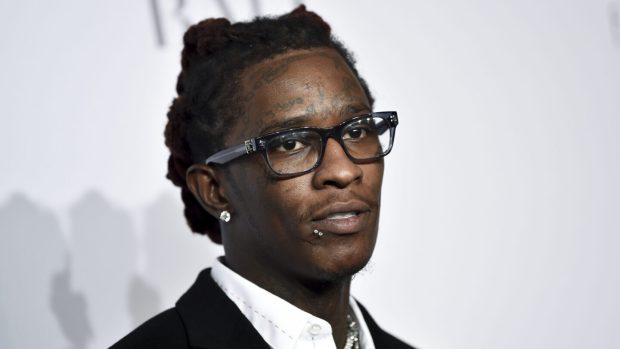
Upon the Arrival of 2025, Fans Eager for Young Thug’s Release Now Anticipate a New Album
Young Thug has always been one of hip-hop’s most enigmatic figures—a trendsetter whose influence runs deep, from his eccentric style to his genre-bending music. But as 2024 winds down, fans find themselves in an unusual situation: wondering when they’ll hear new music from the Atlanta icon. For an artist as prolific as Young Thug, his silence since his release from jail over a month ago feels almost deafening. Yet, the anticipation surrounding his next move only grows stronger as we head into 2025. Thug’s quiet period follows his resolution of the long-running YSL RICO case, which saw him plead his way to freedom. While the legal saga might be behind him, its aftermath looms large, especially for an artist whose music has often drawn from the gritty realities of street life. As part of his lengthy probation terms, Young Thug […]

2025 Arrives, and Hip-Hop Enthusiasts Crave Lil Wayne’s Tha Carter VI
Lil Wayne may no longer dominate the charts the way he once did during his unstoppable run in the 2000s, but to say his fire has burned out would be a grave miscalculation. The New Orleans icon remains one of hip-hop's most influential and respected voices, and recent events have only underscored the immense talent and legacy of a man who redefined what it means to be a rapper. His recent streak of critically acclaimed guest verses feels like tremors from a dormant volcano, reminding us that when Wayne speaks, the world listens. Fans have been eagerly awaiting the long-promised Tha Carter VI, the sixth installment in the legendary Tha Carter series that cemented his place as a hip-hop titan. Wayne himself gave an update on the project back in September, reassuring listeners that he’s still fine-tuning the record. For […]
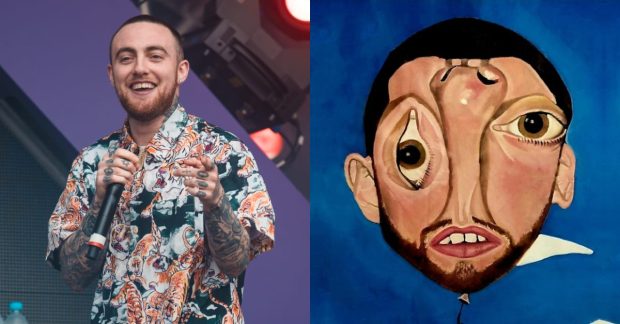
Mac Miller’s Posthumous Album “Balloonerism” Release Date Is Quickly Approaching
It’s always bittersweet when the music world prepares for the release of a posthumous album. The excitement of hearing an artist’s voice once more is often tempered by the sorrow of knowing they’re no longer here to create. For fans of Mac Miller, that feeling is all too familiar. Nearly five years have passed since his tragic death in 2018, and the loss of such a gifted and introspective artist still weighs heavy on the hearts of many. Yet, amidst the sadness, there’s an undeniable sense of gratitude for what he left behind—a legacy built on authenticity, growth, and an unwavering commitment to his craft. Circles, Mac’s first posthumous album released in 2020, stands as one of the rare exceptions in hip-hop where such projects don’t just preserve an artist’s legacy—they enhance it. The companion piece to his critically acclaimed […]
Related
Mac Miller’s Posthumous Album Balloonerism to Feature SZA Collaboration: 1 Week Away
The legacy of Mac Miller continues to shine brighter than ever. As fans prepare for the release of his second posthumous album, Balloonerism, set to drop on January 17, 2025, the excitement has reached a fever pitch with the recent unveiling of its official tracklist. Among the many highlights is a standout collaboration on track two: a feature from none other than chart-topping artist and Grammy winner, SZA. This news comes as a bittersweet celebration, as the release date falls just two days before what would have been Mac Miller’s 33rd birthday. Balloonerism, recorded around 2013-2014, represents a creative chapter in Mac’s career that was previously shelved in favor of other projects. Now, more than a decade later, the album is set to remind the world of his artistic brilliance while offering fans a heartfelt gift to celebrate his enduring […]
LiAngelo Ball AKA G3 AKA GELO Drops “Tweaker” Dubbed “Hottest Song of 2005 and 2025”
LiAngelo Ball, the often-underestimated middle son of basketball’s most polarizing family, has set the internet ablaze—not with a dunk, but with a track. Under his rap name G3, LiAngelo has dropped a new song titled "Tweaker", and the public can’t stop talking about it. The song, which blends the gritty energy of early 2000s hip-hop with a modern, southern-inspired flair, has quickly been dubbed by some as the "hottest song of 2005 and 2025." This nostalgic yet forward-thinking sound has resonated deeply with fans of both old-school and contemporary rap, giving "Tweaker" a unique edge in today's music scene. Social media has been in a frenzy since "Tweaker" hit the airwaves, with fans and critics alike praising G3’s ability to merge two distinct eras of hip-hop seamlessly. The song’s raw energy, catchy hooks, and clever lyricism have sparked calls […]
2025 New Year, Same Violence: Is There Any Way Out?
The new year began with a tragic act of violence in Queens, New York, where ten people were injured in a mass shooting outside a nightclub. It is a heartbreaking reminder of the escalating safety concerns that we, as a community, cannot continue to ignore. The shooting, which took place outside Amazura, a popular venue in Queens, involved gunfire that erupted unexpectedly, leaving several young individuals—ages 16 to 20—wounded and traumatized. Though none of the injuries were life-threatening, the fear and pain caused by this violence will resonate with the victims and their families for years to come. The troubling part is not just the attack itself, but the context in which it occurred. The victims were simply waiting to enter a private event—a birthday memorial—when the violence erupted. Investigators have suggested that gang activity may have been involved, yet […]
Upon the Arrival of 2025, Fans Eager for Young Thug’s Release Now Anticipate a New Album
Young Thug has always been one of hip-hop’s most enigmatic figures—a trendsetter whose influence runs deep, from his eccentric style to his genre-bending music. But as 2024 winds down, fans find themselves in an unusual situation: wondering when they’ll hear new music from the Atlanta icon. For an artist as prolific as Young Thug, his silence since his release from jail over a month ago feels almost deafening. Yet, the anticipation surrounding his next move only grows stronger as we head into 2025. Thug’s quiet period follows his resolution of the long-running YSL RICO case, which saw him plead his way to freedom. While the legal saga might be behind him, its aftermath looms large, especially for an artist whose music has often drawn from the gritty realities of street life. As part of his lengthy probation terms, Young Thug […]
2025 Arrives, and Hip-Hop Enthusiasts Crave Lil Wayne’s Tha Carter VI
Lil Wayne may no longer dominate the charts the way he once did during his unstoppable run in the 2000s, but to say his fire has burned out would be a grave miscalculation. The New Orleans icon remains one of hip-hop's most influential and respected voices, and recent events have only underscored the immense talent and legacy of a man who redefined what it means to be a rapper. His recent streak of critically acclaimed guest verses feels like tremors from a dormant volcano, reminding us that when Wayne speaks, the world listens. Fans have been eagerly awaiting the long-promised Tha Carter VI, the sixth installment in the legendary Tha Carter series that cemented his place as a hip-hop titan. Wayne himself gave an update on the project back in September, reassuring listeners that he’s still fine-tuning the record. For […]
Mac Miller’s Posthumous Album “Balloonerism” Release Date Is Quickly Approaching
It’s always bittersweet when the music world prepares for the release of a posthumous album. The excitement of hearing an artist’s voice once more is often tempered by the sorrow of knowing they’re no longer here to create. For fans of Mac Miller, that feeling is all too familiar. Nearly five years have passed since his tragic death in 2018, and the loss of such a gifted and introspective artist still weighs heavy on the hearts of many. Yet, amidst the sadness, there’s an undeniable sense of gratitude for what he left behind—a legacy built on authenticity, growth, and an unwavering commitment to his craft. Circles, Mac’s first posthumous album released in 2020, stands as one of the rare exceptions in hip-hop where such projects don’t just preserve an artist’s legacy—they enhance it. The companion piece to his critically acclaimed […]

Be the first to leave a comment